
"volatile compounds"
200 article(s) found

Coffee Science: the Flavor Source and volatility of Coffee
Professional coffee knowledge exchange more coffee bean information please pay attention to the coffee workshop (Wechat official account cafe_style) in a broad sense, taste includes five senses (vision, hearing, smell, taste, touch) transmitted to the cerebral cortex, and handed over to the central nervous system to process, so our five senses will be the medium of taste signals; but in a narrow sense, we usually think that

Detailed Analysis of the components of High-quality Coffee beans
★ volatile compounds: volatile compounds are the main source of coffee flavor, especially important for coffee quality. There are many kinds of volatile substances in coffee, and their existence will affect the aroma quality of coffee. Its main source is derived from non-volatile substances in raw beans which are disconnected or derived after reaction in the process of roasting. The role of thermal decomposition, other reactions, or compositions, such as sugar.

How do you get the aroma of coffee beans? How do we perceive the aroma of coffee? Those compounds produce aromas.
What produces the aroma of coffee? To understand chemistry we drink coffee in order to enjoy its unique flavor and rich aroma. When we pour or sip espresso, it is reminiscent of chocolate, caramel, almonds, fruits and flowers. But what happened at the chemical level? Each sensory characteristic is the result of chemical and biological reactions. Please read on to learn more about production
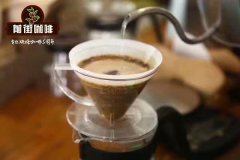
Is the coffee cup flavor wheel just a reference? the scientific engineering behind the new coffee flavor wheel?
Professional coffee knowledge exchange more coffee bean information please follow Coffee Workshop (Wechat official account cafe_style) Front Street-Coffee Flavor Wheel introduction Coffee Flavor Wheel was developed in 1995 by TED LINGLE (Ted), former president of the Fine Coffee Association of America. Made by Mr. Ringer and others. The coffee flavor wheel was born to use the same common language, in a way that everyone can understand.

Classify the smell of coffee by source
According to the source, the aromatization table can be divided into three groups: the first group: this kind of compound is the result of enzymatic reaction during the growth of coffee beans. The main components are ester and aldolase. This compound is the most volatile and is often found in the dry aroma of freshly ground coffee powder. The first group can be further subdivided into three types: floral flavor, fruit flavor and
Detailed Analysis of the components of Fine Coffee beans
Volatile compounds are the primary source of coffee flavor, especially for coffee quality. There are many kinds of volatile snail in coffee, and its existence will affect the aroma quality of coffee. Its primary origin is derived from the non-volatile substances in raw beans which are disconnected or derived from spinning hooks in the process of roasting. Impregnation of thermal differentiation, other spinning hooks or compositions, such as sugars and amino acids
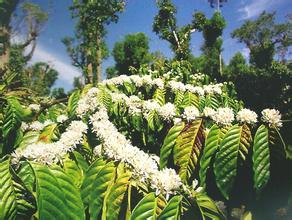
The smell of coffee according to its source is of great reference value for roasting.
According to the source, the aromatization table can be divided into three groups: the first group: this kind of compound is the result of enzymatic reaction during the growth of coffee beans. The main components are ester and aldolase. This compound is the most volatile and is often found in the dry aroma of freshly ground coffee powder. The first group can be further subdivided into three types: floral flavor, fruit flavor and
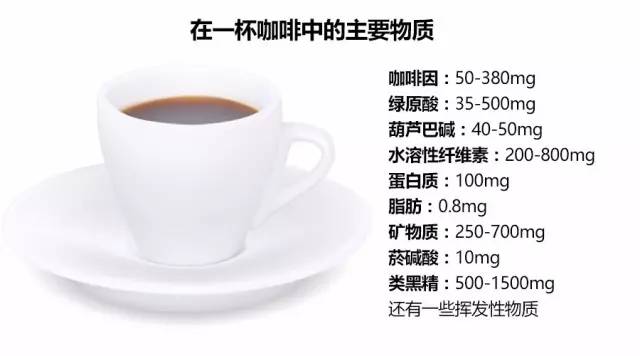
Why can you smell coffee? From a chemical point of view!
Follow the coffee flavor composition of Cafe Cafe (Wechat official account vdailycom) and found that Fairview Cafe opened its own shop? Coffee is one of the most difficult foods to maintain a fixed quality. in essence, the water content in a cup of coffee reaches 98-99%, so only less than 2% of the substances actually affect the taste and aroma of the coffee. So this 2% of the substance
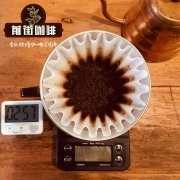
Introduction to the Origin characteristics of Arabica Coffee beans the substances contained in coffee beans become fragrant
Professional coffee knowledge exchange more coffee bean information please follow the coffee workshop (Wechat official account cafe_style) front street-Arabica varieties, aromatic ingredients introduction I. types of coffee: coffee beans can be roughly divided into three categories: (1)? Arabica (Arabica) coffee tree, (2)? Robusta Coffee Tree and (3) Liberica Coffee

How does coffee packaging maintain the flavor of coffee beans? why does the aroma of coffee beans dissipate?
The roasting of coffee takes time, effort and a lot of trial and error to release the flavor of coffee. However, after the baking is completed, it is also necessary to ensure that consumers can feel the flavor of the coffee while drinking it. This is where packaging works. By using the correct packaging material, the aroma of coffee can be preserved long enough for consumers to experience the release of roasting.
How does the aroma of coffee beans come from? what kind of substances does the aroma of coffee come from?
Professional coffee knowledge exchange more coffee bean information please follow the coffee workshop (Wechat official account cafe_style) Front Street-Coffee bean flavor substances non-volatile substances in coffee include: alkaloids (caffeine and trigonelline), chlorogenic acid, carboxylic acid, carbohydrates and polysaccharides, lipids, proteins, melanoids and minerals. Caffeine: it is soluble in water and will shadow.
"Coffee roaster companion" the chemical substances of raw beans the structure and changes of coffee beans
Chapter 2: chemical substances of raw beans author: Scott Rao translator: Huaxia coffee raw beans are strong and green seeds, 50% of which are different forms of carbohydrates, and the other 50% are composed of water, proteins, lipids, acids, and various biological bases. Coffee roasters can bake good coffee without knowing the many chemicals in raw beans, but

Detailed Analysis of the components of Coffee beans
Raw coffee beans do not contain the special aroma of coffee, so they are not eaten directly and must be roasted before a large number of volatile aroma compounds are produced.

The effect of temperature on Coffee how to feel the Coffee Flavor during High temperature and cooling
Have you ever had the experience of getting a cup of hot coffee, only to find that the flavor and aroma are different when it is cooled? When this happens, you may start to drink delicate flavors and aromas that you couldn't taste before. You may find that your coffee now has a distinct sweet, fruity or floral flavor. This change in flavor is due to specific chemical reactions triggered by temperature fluctuations.
Detailed analysis of mineral carbohydrates in coffee beans
Moisture: the water content of coffee beans varies greatly with different processing stages and products. The moisture content of wet coffee beans with film is about 50%, while that of dried raw coffee beans is about 10%-13%. The water content of roasted coffee beans is only less than 5%. The existence of water in coffee beans is the same as other kinds of food and beverages, because it contains a considerable amount of hydration colloid macromolecules.

Detailed analysis of low molecular weight sugars in coffee beans
Moisture: the water content of coffee beans varies greatly with different processing stages and products. The moisture content of wet coffee beans with film is about 50%, while that of dried raw coffee beans is about 10%-13%. The water content of roasted coffee beans is only less than 5%. The existence of water in coffee beans is the same as other kinds of food and beverages, because it contains a considerable amount of hydration colloid macromolecules.

Detailed Analysis of Coffee Bean ingredients basic knowledge of Fine Coffee
Moisture: the water content of coffee beans varies greatly with different processing stages and products. The moisture content of wet coffee beans with film is about 50%, while that of dried raw coffee beans is about 10%-13%. The water content of roasted coffee beans is only less than 5%. The existence of water in coffee beans is the same as other kinds of food and beverages, because it contains a considerable amount of hydration colloid macromolecules.

Detailed analysis of the ingredients of coffee beans general knowledge of fine coffee
Moisture: the water content of coffee beans varies greatly with different processing stages and products. The moisture content of wet coffee beans with film is about 50%, while that of dried raw coffee beans is about 10%-13%. The water content of roasted coffee beans is only less than 5%. The existence of water in coffee beans is the same as other kinds of food and beverages, because it contains a considerable amount of hydration colloid macromolecules.

Coffee Flavor Wheel and Flavor Spectrum Coffee knowledge
Among all kinds of flavor wheels, coffee is the most esoteric. According to Ivon Flament's "Coffee Flavor Chemistry Coffee Flavor Chemistry", since 1960, scientists have isolated more than 300 compounds from raw coffee beans, and there are more than 850 kinds of coffee ripe beans. Researchers believe that coffee is volatile, water soluble,

Detailed analysis of carbohydrates in coffee beans
★ moisture: the water content of coffee beans varies greatly with different processing stages and products. The moisture content of wet coffee beans with film is about 50%, while that of dried raw coffee beans is about 10%-13%, and that of roasted coffee beans is only less than 5%. The existence of water in coffee beans is the same as other kinds of food and beverages, because it contains a considerable amount of hydration colloid macromolecules.